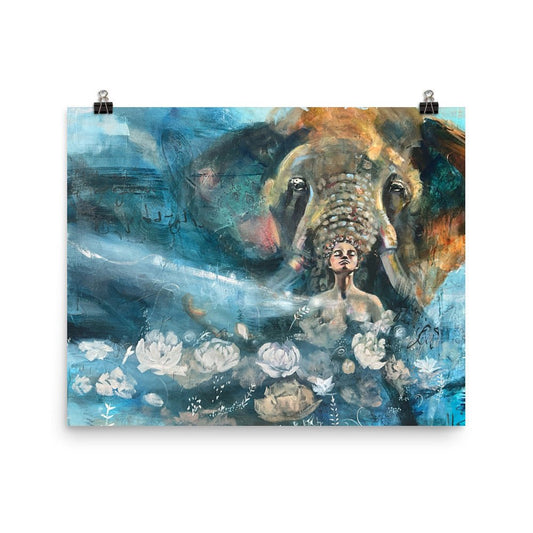
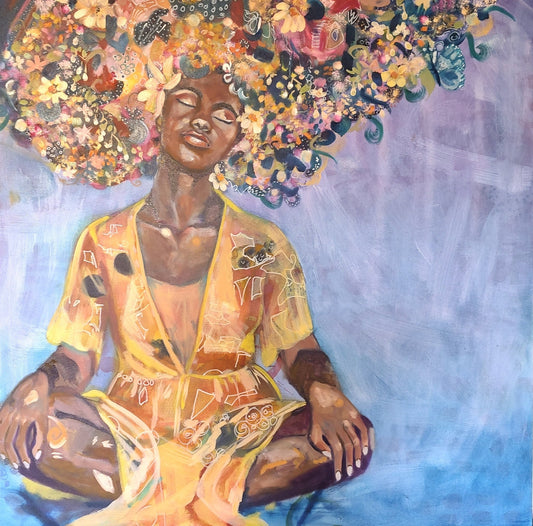
Oil Painting vs Mixed Media Painting: What's the Difference?
Last Updated: October 28, 2026
Quick Summary
An oil painting uses oil paint as its primary medium, while a mixed media painting combines oil paint with other materials such as acrylic, collage, or pastel. In mixed media painting, oil always comes last, layered over fully dried water-based materials so the layers adhere properly.
- Oil paint alone is slow, forgiving, and rich in color, while mixed media adds layers of paper and texture.
- Mixed media art means two or more materials combined in a single piece, each doing real work.
- Paint acrylic over oil and it will not adhere properly, leading to peeling later.
- Let each water-based layer dry fully before adding oil, and build texture before the final oil passes.
- Keep textured artwork out of direct sunlight and frame under glass when the surface is delicate, especially on paper.
Table of Contents
- Oil Painting vs Mixed Media Painting: The Core Difference
- What Is Mixed Media Art, Exactly?
- Mixed Media Painting Techniques and How the Layers Work
- Frequently Asked Questions
Oil Painting vs Mixed Media Painting: The Core Difference
The core difference between oil painting and mixed media painting is the number of materials involved. An oil painting uses oil paint as its primary medium, while a mixed media painting combines oil paint with other materials such as acrylic, collage, or pastel.
Oil paint on its own is slow, forgiving, and rich in color. Mixed media painting brings in layers of paper, texture, and different paints, so the surface tells a more complex story. Neither is better; they ask different things of the artist.
If you are weighing which style fits your home, browse original mixed media oil paintings to see how the layers read on a wall. To compare, see an oil painting with a fox and notice how the brushwork carries the whole image without added materials.

| Feature | Oil Painting | Mixed Media Painting |
|---|---|---|
| Primary medium | Oil paint only | Oil paint plus other materials |
| Typical layers | Paint layers only | Collage, acrylic, pastel, texture |
| Drying time | Slow | Varies by material |
| Surface feel | Smooth to textured paint | Mixed texture, often raised |
| Best for | Depth and rich color | Layered story and visual interest |
Best for oil painting: collectors who want depth and luminous color from a single medium. Best for mixed media painting: anyone drawn to layered texture and combined materials.
What Is Mixed Media Art, Exactly?
Mixed media art is artwork made with two or more materials combined in a single piece. In painting, that usually means oil paint layered over acrylic washes, collage, or pastel.
Examples include a canvas with glued paper and painted texture beneath the oil layers, or acrylic establishing the base with oil paint finishing the surface. The key is that more than one material does real work in the final image.
Strawberry Spring IV - Oil Painting with Fox (20x16) →
Once you understand the range, view original mixed media works on paper to see how different combinations change the finished piece.
Mixed Media Painting Techniques and How the Layers Work
Mixed media painting techniques follow one rule more than any other: oil always comes last. Water-based materials like acrylic or watercolor dry faster and form the base. Paint acrylic over oil and it will not adhere properly, leading to peeling later.
A common mistake is rushing the layer order. Let each water-based layer dry fully before adding oil, and build texture with collage or pastel before the final oil passes.
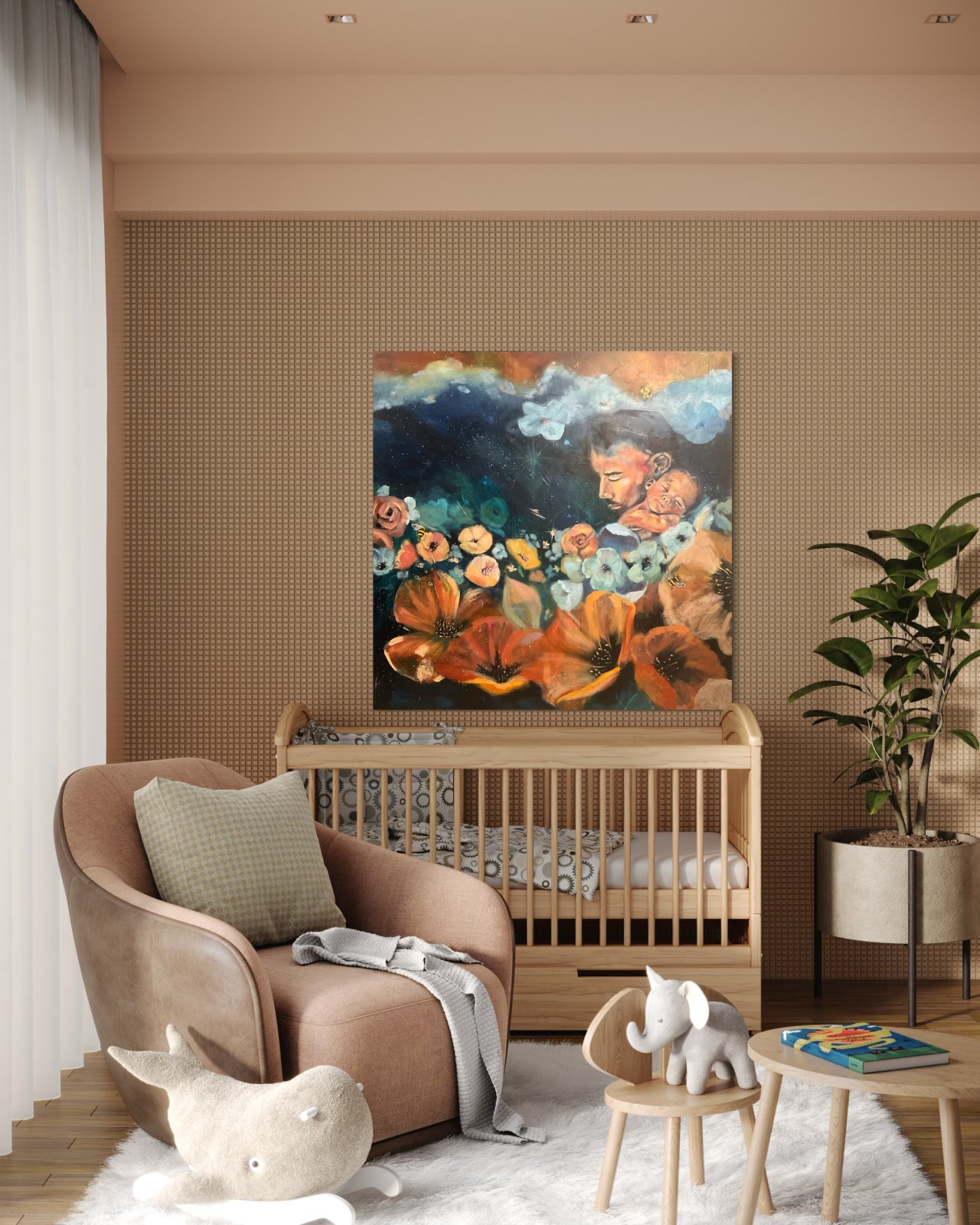
To see how those layers resolve, look at a mixed media eagle painting on paper and notice the texture built up beneath the final oil work.

How should you display textured artwork? Keep it out of direct sunlight and frame under glass when the surface is delicate, especially on paper.
Choosing between oil and mixed media comes down to what you want a painting to do in your space: hold quiet depth or carry visible texture and story. At Sarah Andreas, I create original mixed media oil paintings that combine collage, expressive mark making, acrylic layers, and luminous oil paint, each one made for women navigating change and building a home that feels like their own. If scale or placement is on your mind, I help with that too, using photos of your wall. Find a piece you want to live with.
Frequently Asked Questions
Can an oil painting also be a mixed media painting?
Yes. A painting counts as mixed media when it combines more than one material, and oil paint can be one of them. In my own work, I combine collage, expressive mark making, acrylic layers, and luminous oil paint. The label depends on how many materials are actually in the piece, not on which one you see most.
What should I consider when choosing between an oil painting and a mixed media painting?
Think about what you want the piece to do in your room.
How do you care for an oil or mixed media painting?
Keep both away from direct sunlight, which fades color over time. Dust gently with a soft, dry cloth rather than a damp one. For textured mixed media pieces, do not press or scrub the surface, since raised areas can catch on fabric. If a piece on paper is framed under glass, make sure the artwork does not touch the glass. Hang both types on a secure hook rated for the weight, and avoid steamy rooms like an unwiped bathroom. When in doubt, ask before you clean.