Inspirational Art Books About Creativity and Transformation
Quick Summary
Art books can reignite creativity by giving you a low-pressure way to look at art, return to pages on hard weeks, and find your own taste again. Choose a narrative book you will finish, an illustrated book for looking, or a workbook for doing, based on your season of life.
- Art books let you revisit the same page on a hard week and notice something new.
- Looking at a single painting helps you ask what you respond to in color, texture, and layers.
- Narrative books suit readers who want to think about fear before committing to a practice.
- Workbooks suit readers willing to complete exercises in order, while illustrated books are for looking and returning.
- If budget is tight, start with a narrative book you will actually finish before adding a workbook.
Table of Contents
- Why Art Books Can Reignite Your Creativity
- Books That Meet You in the In-Between
- Choosing the Book That Fits Where You Are Right Now
- Using Books to Reconnect With Your Creativity
- Creative Journaling Prompts to Try Alongside These Books
- Frequently Asked Questions
Why Art Books Can Reignite Your Creativity
Creativity often goes quiet when life gets full. Responsibilities pile up, and the sketchbook gathers dust on a shelf. Looking at art on the page, without any pressure to produce something, can bring that part of you back into view.
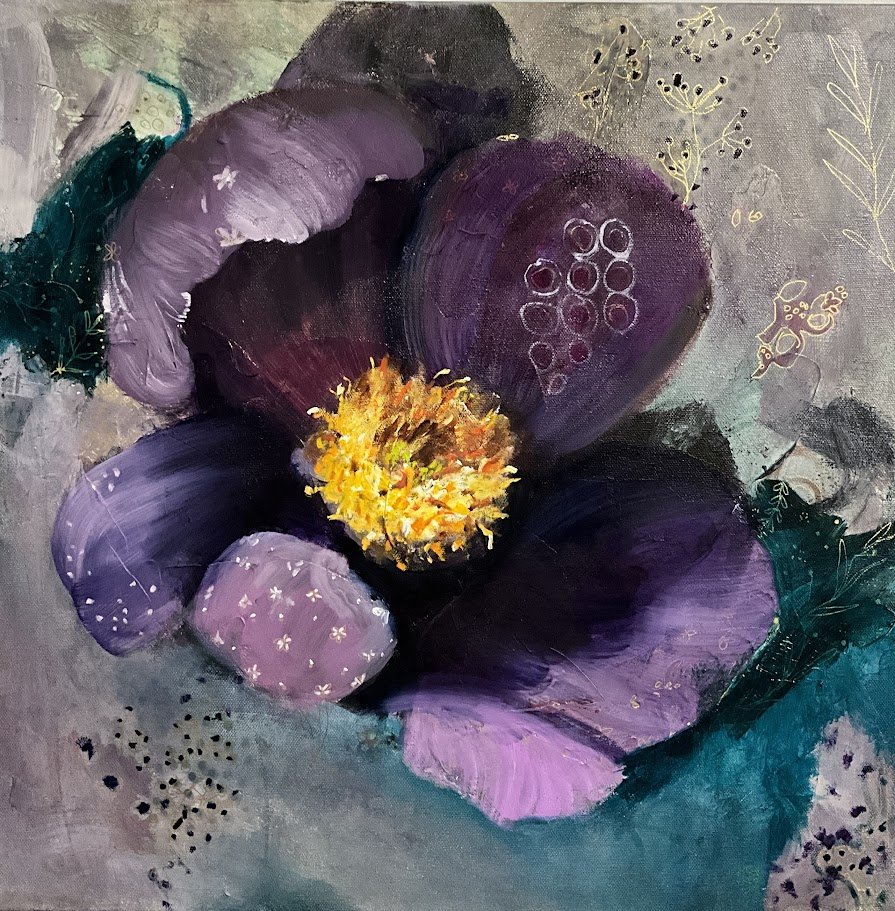
Art books work differently than a gallery visit or a scroll through images. You can return to the same page on a hard week and notice something new. You can linger on a single painting, asking what you respond to in the color, the texture, or the layers. Those questions are a good way to find your own taste again.
Books That Meet You in the In-Between
Some seasons of life feel like a doorway. The old way of doing things no longer fits, and the new one has not fully arrived. The books below were chosen because each one speaks to that stage in a different way, and each one asks something different of you as a reader. I have grouped them by what they help you do, not by how famous they are.
For sitting with the messy middle
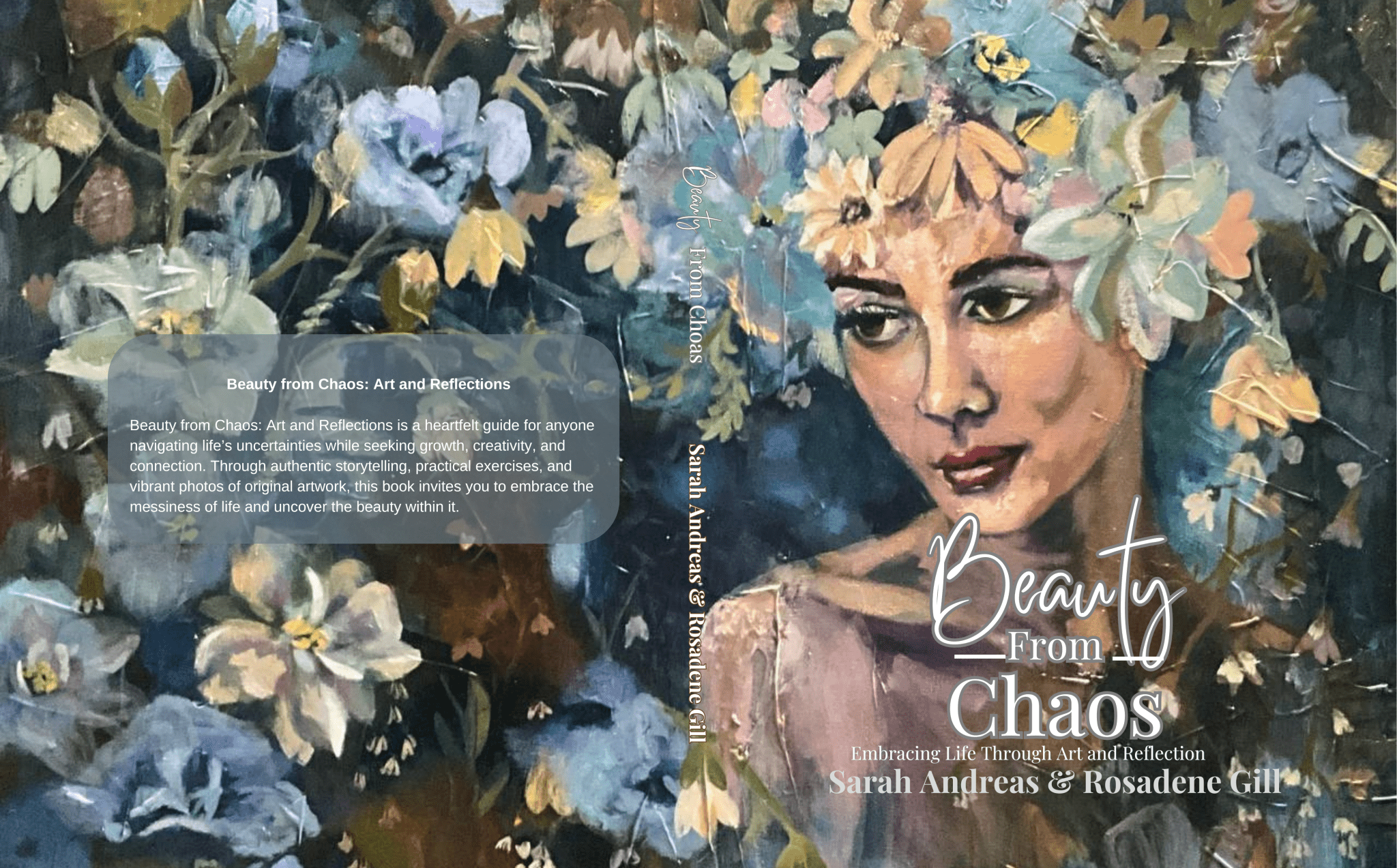
Beauty from Chaos: A Journey of Transformation Through Art and Reflection is a book of my mixed media oil paintings paired with reflections on change. Its pages are built around the messy middle, where you are no longer who you were but not yet who you are becoming. You will find space to write and sketch alongside the artwork. It is an illustrated book with room to work in it, so it suits readers who want to look and respond rather than just read. It is priced at $35.00, and you can see the book and its signed edition here.
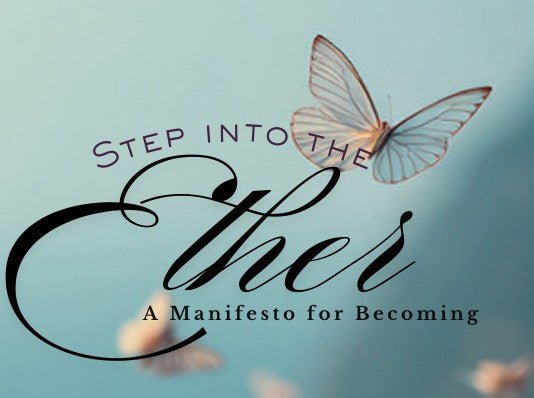
Step into the Ether: A Manifesto for Becoming is a more lyrical book, written for the moment you stand at the edge of your next chapter. It is a companion for seasons of transition, whether that is a career shift, a relationship change, or a quiet sense that you are ready for more. It is primarily narrative rather than instructional, so it fits a reader who wants language to think with rather than exercises to complete. It is currently coming soon at $16.00, and you can look at the manifesto's product page.
For rebuilding a creative habit
Big Magic: Creative Living Beyond Fear by Elizabeth Gilbert is narrative rather than exercise based. It is organized around short essays on courage, permission, and persistence, and it suits a reader who wants to think differently about fear before committing to a daily practice. It is the easier entry point of the two if you are not ready for a workbook.
For learning to see
Drawing on the Right Side of the Brain by Betty Edwards is the opposite: a structured technique book built around specific exercises, including copying a drawing upside down to interrupt the habit of naming what you see. It suits a reader who wants to draw better and is willing to do the exercises in order. The format is instructional with plates and step by step work, so it rewards patience more than browsing.
For changing creative direction
Bird by Bird by Anne Lamott is written for writers, but the chapters on perfectionism and on the one inch picture frame apply to any medium. It is narrative, funny, and honest about how bad early drafts are. It suits a reader who needs to hear that the mess is normal.
A note on format and budget
If you are choosing one book and money is tight, the order I would suggest is this: start with a narrative book you will actually finish, then add a workbook once you know you want a practice. Illustrated books like mine are for looking and returning to. Workbooks are for doing. A journal can bridge looking and doing, giving a small daily practice a place to take shape alongside North Star Keepsakes.
Watch out: a book that worked for a friend may not fit your season. If you are in the middle of a hard change, a demanding workbook can feel like one more obligation. A shorter narrative book may be the better first step.
Here is a quick way to compare the books in this section by what each one helps you do.
| Book | Best for | Key difference |
|---|---|---|
| Beauty from Chaos | Sitting with the messy middle | Illustrated, with room to write |
| Step into the Ether | Stepping into a new chapter | Lyrical and narrative, not instructional |
| Big Magic | Rethinking fear before practicing | Short narrative essays |
| Drawing on the Right Side of the Brain | Learning to see and draw | Structured exercises done in order |
| Bird by Bird | Accepting messy early drafts | Funny, honest narrative for any medium |
Choosing the Book That Fits Where You Are Right Now
Most book lists tell you what to buy. They rarely tell you how to decide.
Start with one honest question: what do you want this book to help you do? The answers below are not rules. They are a way to narrow the field.
If you are restarting a practice after years away, you may find that a little structure helps more than inspiration alone.
If you are building confidence, look for books that normalize the mess.
If you want to learn a medium, choose a technique book with exercises you are willing to do. Be realistic about whether you will actually practice them.
If you are changing creative direction, look for books that give you permission to begin before you feel ready.
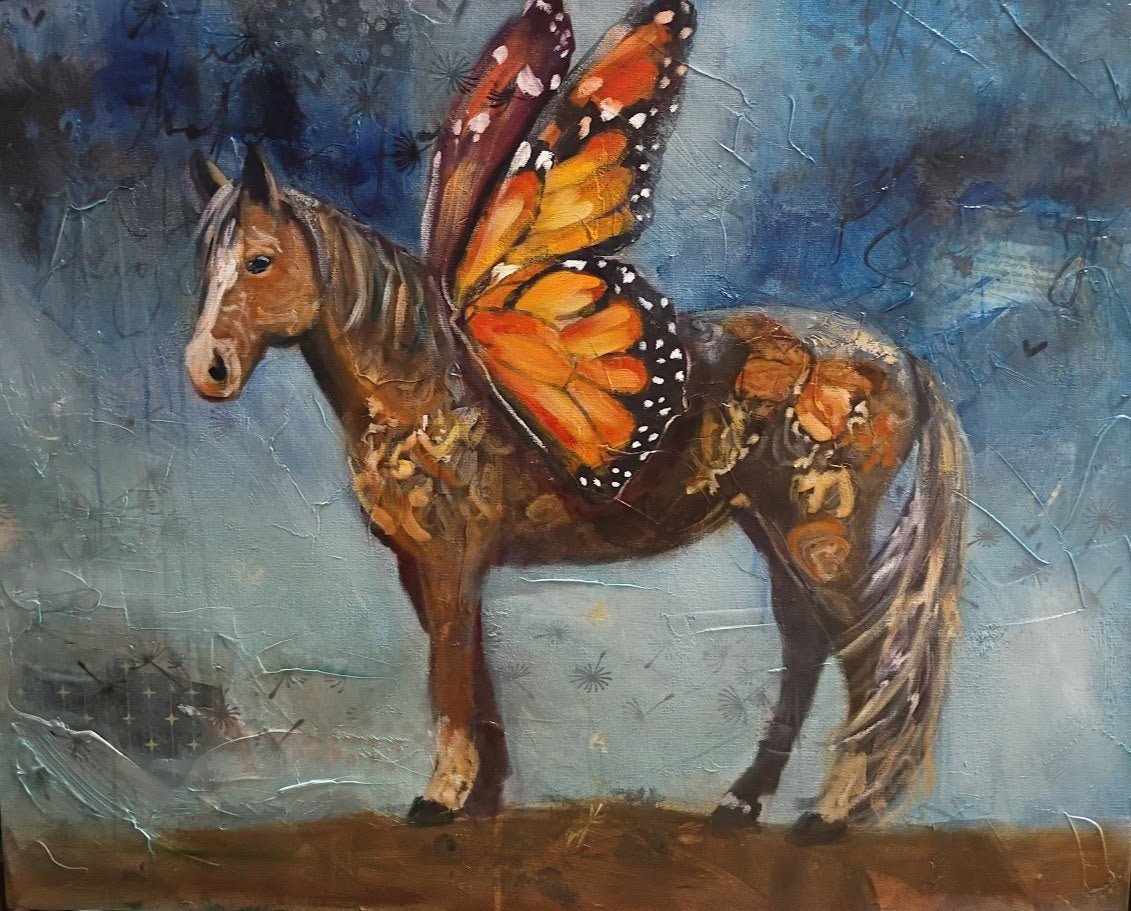
If you want to look at art and think, choose an illustrated book. My own Beauty from Chaos is built for that, with paintings and reflections and room to write.
A second question is about format. Workbooks ask you to write in them. Narrative books ask you to read. Illustrated books ask you to look. None is better, but they suit different evenings.
A third question is about budget. You do not need to buy several books at once.
If you are navigating change and want reflection alongside art, the collection of books for women in transition gathers several titles in one place. If you are feeling drawn to reinventing yourself and want to explore that idea more directly, Becoming Untamed may be the one for you.
Watch out: it is easy to buy a book as a way of postponing the work.
Using Books to Reconnect With Your Creativity
Once a book is in your hands, the real work is simple. Turn the pages slowly. Pick one painting and describe it to yourself in plain words. Notice where your eye goes first and what it lingers on. Then ask whether that same thing shows up in your own work or in the way you want your home to feel.
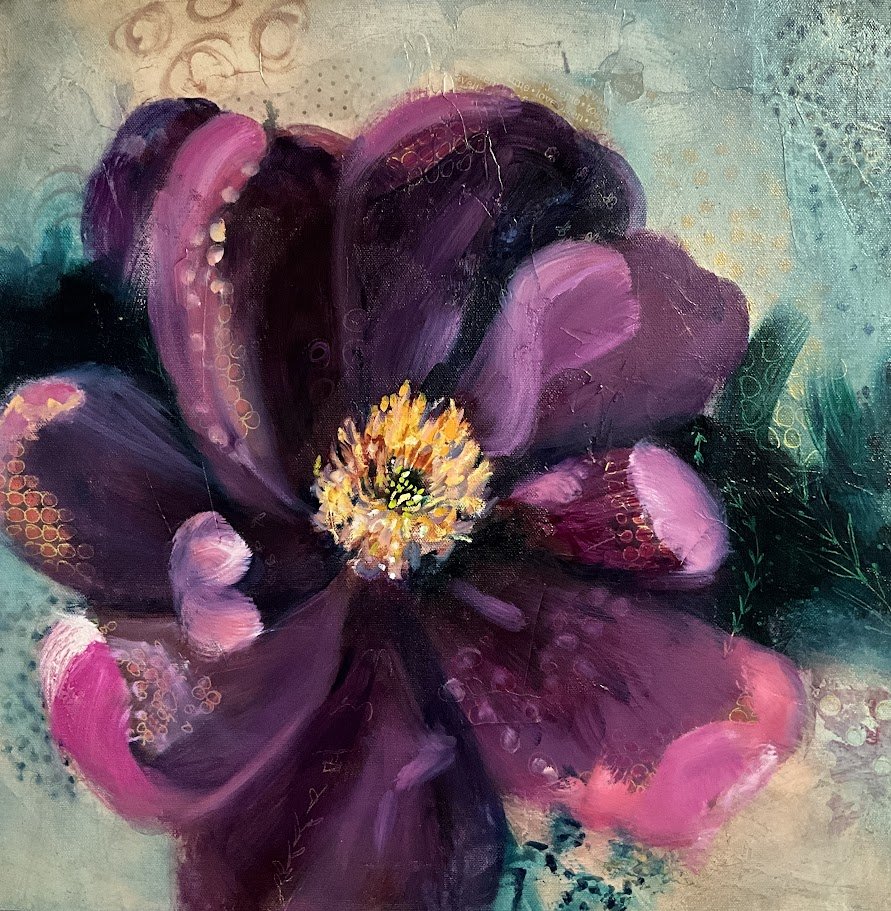
I often tell people that a book is not a lesson to finish. It is a conversation you can keep returning to. Some pages will mean nothing to you today and everything to you in six months.
Creative Journaling Prompts to Try Alongside These Books
Keep a notebook beside the book and try a few of these prompts:
- What color in this painting makes me pause, and what does that remind me of?
- Which layer or texture feels most like how I am feeling right now?
- If this painting hung in the room where I spend the most time, how would it change the feeling of that space?
- What is one small thing I have wanted to create but kept putting off?
You do not need to answer all of them. Pick the one that catches your attention and write without editing yourself. The point is to keep the creative thread moving, even in small ways.
If these books or my paintings speak to you, you are welcome to explore the collection at your own pace. There is no rush. Sometimes the right piece finds you when you are ready for it.
Frequently Asked Questions
What are the best art books for creative inspiration?
The best starting point is a book that connects art to your own life rather than only teaching technique. Beauty from Chaos: Art and Reflections, priced at $35.00, pairs my mixed media oil paintings with reflections and creative prompts. Step into the Ether, priced at $16.00 and listed as coming soon, is a shorter manifesto for seasons of change. Look for a book that invites you to pause and respond, not just to look and move on.
Which books help you reconnect with your creativity?
Books that include prompts or open space tend to help most, because they give your hands something to do while your thinking settles. Beauty from Chaos includes creative prompts you can return to, which makes it a good choice if you feel you have lost touch with making things. Invisible Roots, priced at $19.95, is better suited to readers who want to examine the beliefs that have quietly limited their confidence, including their creative confidence.
Can art books help during a life transition?
A book can offer company and a few practical practices during a transition, though it will not solve the situation for you. I wrote Beauty from Chaos for the in-between stage, after an old story has ended and a new one has not fully formed. Many readers find that moving slowly through a book, a few pages at a time, feels more manageable than trying to make big decisions all at once.
What should I look for in an art book about creativity?
Pay attention to whether the book asks you to respond. Books with reflective writing, prompts, and blank space tend to build creative habits, while coffee-table books are better for enjoying images. Check the format too: the signed special edition of Beauty from Chaos is priced at $35.00, and Invisible Roots is priced at $19.95.